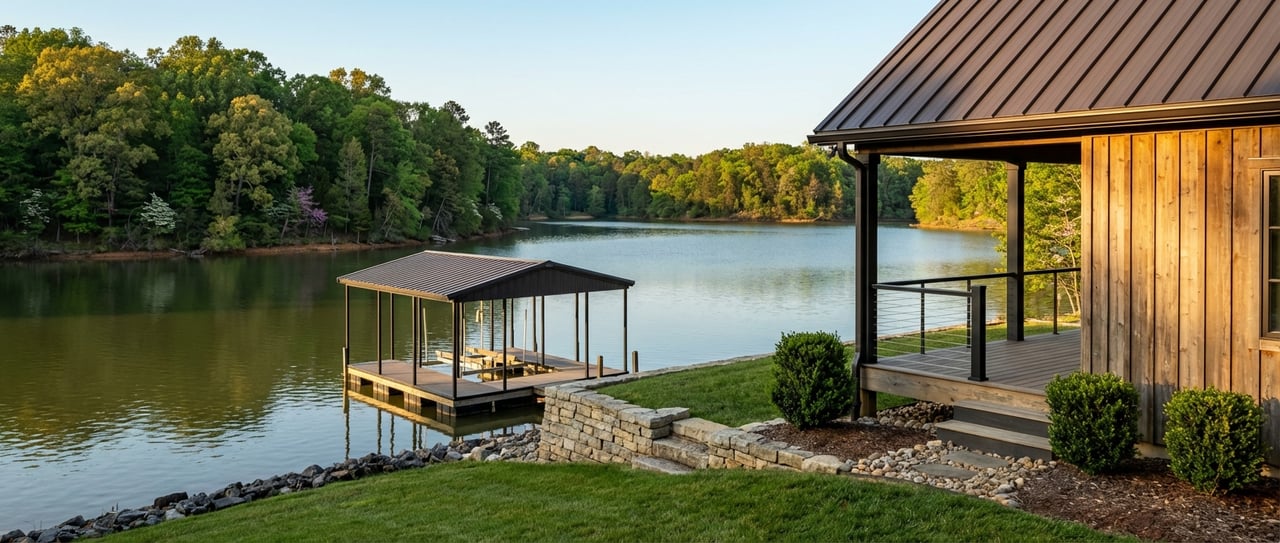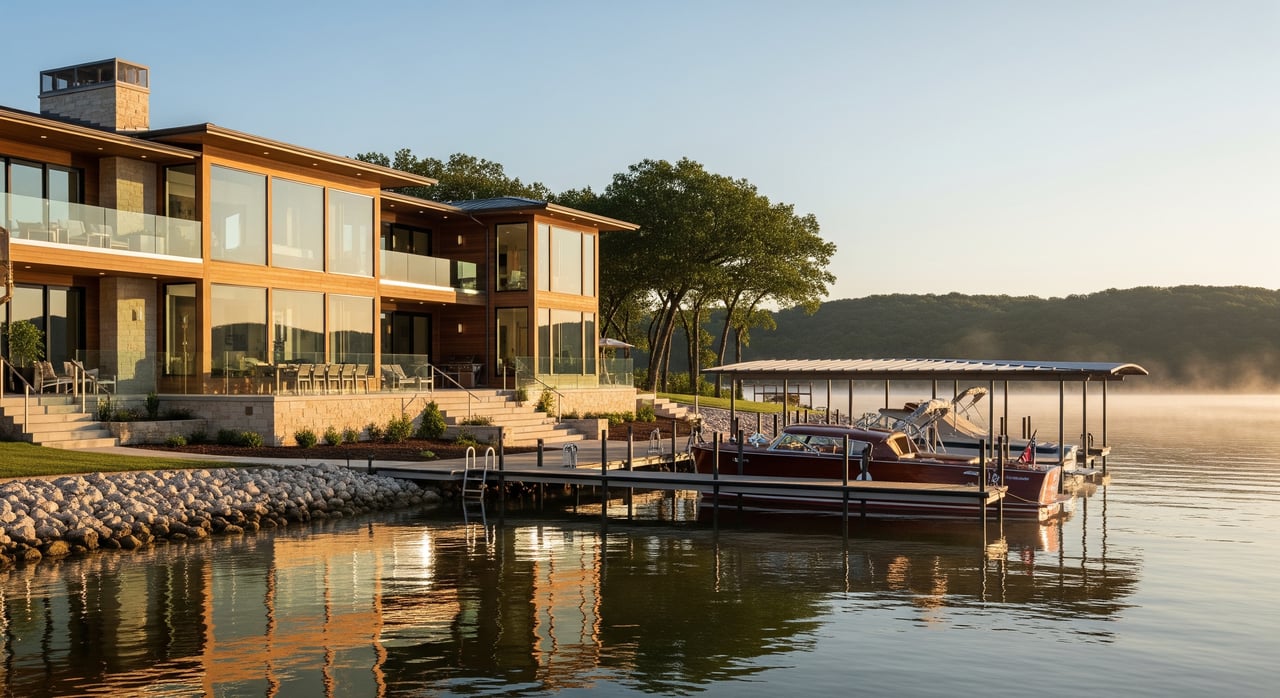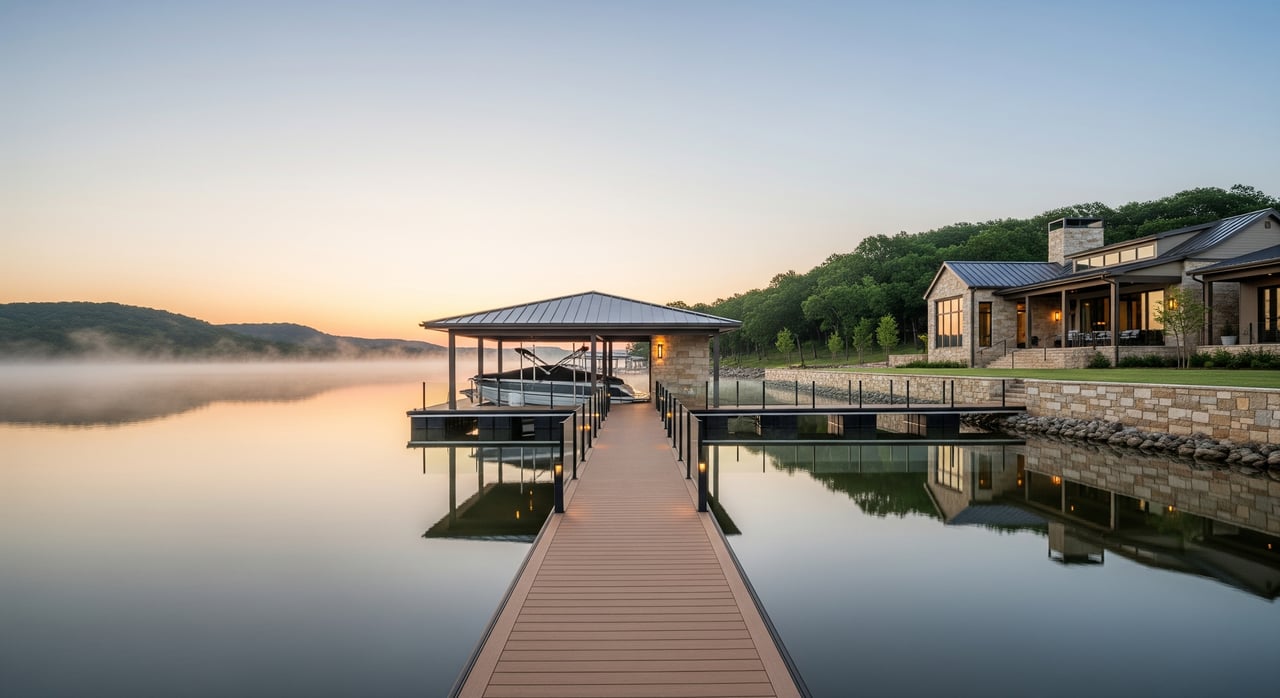
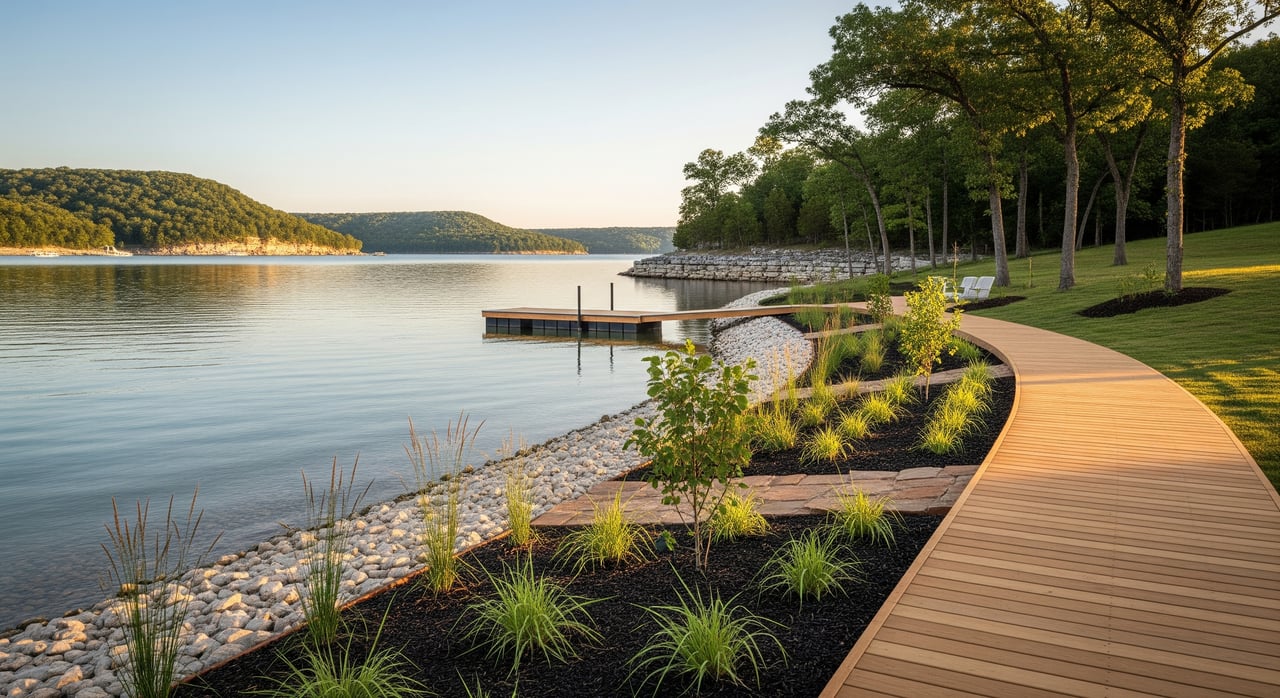
Wondering if that Sunrise Beach shoreline will stand up to summer boat wakes and winter water level changes? If you are eyeing a lakefront home, the condition of the shore can affect your enjoyment, budget, and long-term plans. You want a place that is safe, durable, and ready for your dock and water toys without surprise repairs. This guide gives you clear steps to evaluate erosion risk, compare protection options, understand permits, and plan costs specific to Sunrise Beach on Lake of the Ozarks. Let’s dive in.
Why shoreline protection matters in Sunrise Beach
Sunrise Beach sits on Lake of the Ozarks where boat wakes, seasonal water level shifts, storms, and runoff shape the shore. Even gently eroding banks can worsen if drainage changes or nearby boat traffic increases. You should evaluate both current condition and likely exposure over time to avoid preventable issues.
Common erosion drivers around the lake include:
- Wave action and boat wakes, especially on exposed points and channel edges.
- Overtopping during high-water events that loosens soils on gentle slopes.
- Concentrated runoff from roofs, driveways, and yards that cuts gullies at the toe.
- Toe scouring that undercuts the bank and leads to slope failure.
- Loss of vegetation that reduces root strength and speeds erosion.
Shoreline protection options
Different sites call for different solutions. Match the protection to your exposure, access, budget, and any community rules.
Timber bulkheads (treated wood)
A vertical wood wall is common in modest wave energy areas. It is often more affordable upfront and easier to install on tight lots. Service life is typically shorter, about 10 to 25 years depending on exposure and maintenance.
Concrete seawalls
Reinforced concrete offers a long service life when well designed. It suits high-exposure sites but costs more and needs careful toe protection to avoid scouring. Construction and permitting can be more complex.
Steel sheet piling
Interlocking steel sections provide a thin profile and fast installation. They fit medium to high exposure and narrow shorelines. Plan for corrosion protection and proper anchoring to protect the base.
Riprap (rock armor)
Properly sized rock placed on a slope dissipates wave energy and drains well. It can last for decades when installed with a filter layer and a keyed toe. It requires equipment access and correct rock sizing to avoid early failure.
Gabions and turf-reinforced systems
Rock-filled wire baskets or engineered soil with reinforcement can stabilize transitional slopes. Wire corrosion and maintenance need attention over time. These can support vegetated aesthetics where appropriate.
Living shorelines and vegetated approaches
Combining native plants with coir logs and small rock sills can protect low to moderate energy sites while improving habitat. They look natural and often carry a lighter regulatory footprint. They are not suited for high-wave faces and do need periodic plant care.
Hybrid solutions
Blending approaches, like riprap at the toe with a vegetated slope, balances durability and environmental benefits. Hybrids are common where guidance encourages softer edges that still handle wakes.
Permitting and environmental basics in Missouri
Plan permitting early to keep projects on schedule. Work below the ordinary high-water line or involving dredging or fill often requires approvals.
- Federal: The US Army Corps of Engineers may require permits for in-water work and structures affecting navigable waters.
- State: The Missouri Department of Natural Resources handles water quality and many state-level approvals.
- Conservation: The Missouri Department of Conservation provides guidance on habitat and seasonal restrictions, including fish spawning windows.
- Local: Check with the City of Sunrise Beach and Camden County Planning and Zoning for setbacks, shoreline and cove ordinances, and easements.
- HOAs or POAs: Many lake communities set rules for docks and shoreline structures.
During construction, expect to manage sediment with silt curtains or similar controls. Vegetation removal near the shore may be limited, so confirm allowed work. Designs should minimize negative impacts on neighboring properties.
How to evaluate a shoreline before you buy
Use this checklist during showings and inspections to gauge condition, risk, and future costs.
Condition and structure
- Identify the protection type: timber bulkhead, concrete wall, riprap, gabions, or vegetated only.
- Look for leaning, bulging, loose rock, gaps, or undercutting at the toe. Note any settlement or cracking near patios and steps.
- Watch for temporary fixes like sandbags or stacked rock that suggest ongoing problems.
Documentation and permits
- Ask for original permits, design drawings, and maintenance records. Request permit numbers and dates.
- Confirm any recorded easements, setbacks, or access strips that could affect future work.
Site and exposure
- Measure shoreline length and note orientation, cove protection, or adjacency to channels with heavy boat traffic.
- Observe how downspouts and driveways drain. Concentrated flow at the toe increases erosion risk.
Soils and access
- Consider equipment access. Barging rock or limited access can raise costs significantly.
- Ask about bedrock, shallow rock, utilities, or septic components in the work area.
Professional review
- Hire an engineer or licensed shoreline contractor experienced with freshwater reservoirs for a written assessment of remaining life and likely repairs.
- Consider a geotechnical review if you see toe scouring or slope movement.
Neighborhood history and insurance
- Talk with neighbors about high-water events, recurring erosion, or shoreline disputes.
- Check whether insurance covers seawall damage and whether any past claims exist.
Costs, service life, and maintenance
A well-planned shoreline saves money over time. Budget for routine checks and eventual replacement.
Typical service life ranges
- Timber bulkheads: often 10 to 25 years depending on exposure and upkeep.
- Riprap: decades, often 20 to 50+ years when sized and installed correctly.
- Concrete seawalls: 30+ years with proper design and toe protection.
- Living shorelines: plant care is ongoing; rock sills can last decades if well built.
Maintenance to schedule
- Inspect each spring and after major storms. Look for displaced rock, loose boards, toe erosion, and debris buildup.
- Re-set riprap as needed, and schedule a contractor visit if you see structural movement.
- Maintain vegetation, replant bare areas with native species, and control invasive aquatic plants.
- Keep gutters, swales, and berms working so water does not discharge at the toe.
Budgeting and ballpark costs
- Minor repairs and routine maintenance: low thousands of dollars.
- Moderate riprap repairs or partial replacements: several thousands to tens of thousands.
- Full seawall replacement, engineered riprap, or complex toe stabilization: tens of thousands to over $100,000 depending on length and access.
- Get at least two competitive bids and a written engineer estimate before committing.
Step-by-step due diligence plan
Follow this simple plan to move from first showing to confident close.
- Request all shoreline documents from the seller, including permits, drawings, and maintenance logs.
- Book a shoreline inspection with an engineer or licensed contractor, and add a geotechnical review if toe stability is a concern.
- Call the City of Sunrise Beach and Camden County Planning and Zoning to check local rules and any open permit items.
- If major work is likely, contact the US Army Corps of Engineers and Missouri Department of Natural Resources early to understand timelines.
- Talk to neighbors about wave exposure, water level history, and recent repairs in the cove or channel.
Working with local pros
Ask clear questions so you can compare approaches and avoid surprises.
- Do you regularly complete Lake of the Ozarks shoreline projects? Can you share references and before-and-after photos?
- Will your design require federal or state permits, and do you handle applications?
- What is the expected service life and routine maintenance for your recommendation?
- Can you provide an itemized estimate and schedule with access assumptions and equipment needs?
- How will you protect water quality during construction, such as silt curtains and turbidity controls?
Keep copies of all permits, as-built drawings, warranties, maintenance records, and inspection reports with your property files. These documents help with insurance questions and add value when you sell.
Make your lake purchase confident
A durable shoreline helps protect your investment and your lake lifestyle. By checking condition, confirming permits, and planning for maintenance and costs, you can buy with confidence in Sunrise Beach.
If you want local guidance from a team that lives and works this shoreline every day, connect with Albers Real Estate Advisors. We will help you evaluate the shore, align the right experts, and find the lakefront home that fits your goals.
FAQs
What shoreline protection works best in Sunrise Beach coves?
- In low to moderate wave energy coves, riprap with a keyed toe or a hybrid with vegetated slopes often performs well, while high-exposure faces may need concrete or steel.
Do I need permits to repair a seawall on Lake of the Ozarks?
- Many projects below the ordinary high-water line require approvals. Check with the US Army Corps of Engineers, Missouri Department of Natural Resources, local offices, and your HOA or POA.
How much does seawall replacement cost near Sunrise Beach?
- Budgets vary by length, access, materials, and soils, but full replacements or engineered riprap can run from tens of thousands to over $100,000.
How can I spot a failing seawall during a showing?
- Watch for leaning or bulging walls, gaps or loose boards, undercutting at the toe, displaced riprap, and settlement or cracking in nearby patios and steps.
What maintenance should I plan for a lakefront shoreline?
- Inspect annually and after storms, clear debris, re-set displaced rock, maintain vegetation, and keep drainage from concentrating at the toe to reduce erosion risk.